Welcome

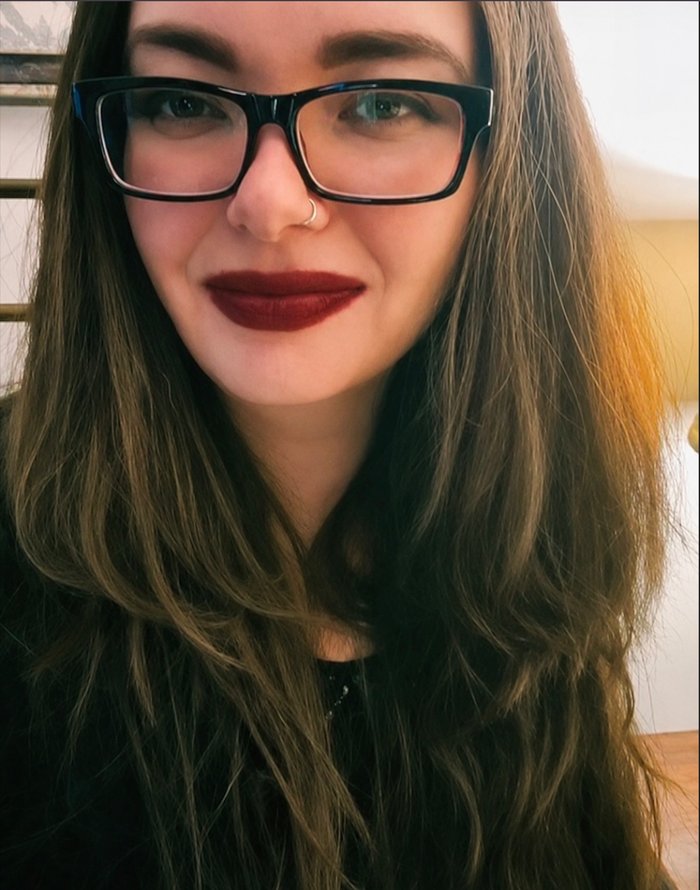
Hi, I’m Rachel.

I’m a frontend engineer and engineering leader with over a decade of experience building products from idea to production. While my recent work has focused primarily on frontend engineering, I’ve spent my career collaborating across design, product, and engineering to build software that solves real problems for real people.

I believe great software should disappear into the background. People shouldn’t have to think about the interface itself — they should simply accomplish what they came to do.

This portfolio was designed with that philosophy in mind. Every interaction, layout decision, and project here reflects how I think about usability, clarity, and creating products that feel natural instead of complicated.

About Me

I’m someone who genuinely enjoys understanding how people work.

Whether it’s interviewing users, observing workflows, or paying attention to tiny points of friction, I love figuring out what makes software feel intuitive. The most satisfying part of engineering for me isn’t just writing code. It’s taking something frustrating or complex and turning it into an experience that feels simple, approachable, and maybe even enjoyable.

Outside of work, I have a pretty dry sense of humor and don’t take myself too seriously. I love finding ways to bring a little levity into everyday life, especially when tackling difficult problems. I think software development is challenging enough without making the workplace feel heavy all the time.

When I’m away from my computer, you’ll usually find me somewhere in nature — hiking through forests, walking along the coast, exploring Norway’s mountains and fjords, photographing wildlife, gardening, and spending time with animals. I’m endlessly fascinated by ecology, history, folklore, and the ways people interact with the natural world.

I also enjoy building personal projects simply because they’re fun. Sometimes those projects solve a practical problem. Sometimes they’re a little whimsical. Usually they’re both.

  • Hiking & the outdoors
  • Norway’s mountains & fjords
  • Wildlife photography
  • Gardening
  • Animals
  • History & folklore
  • Coastal walks
  • Building fun side projects

Learning Norwegian

I’m currently learning Norwegian and would describe myself as being around an A2 to B1 level. I’m comfortable with everyday conversations and can often follow discussions, especially when people speak at a slightly slower pace, though I still have plenty to learn.

At this point, I wouldn’t consider myself fluent enough to work entirely in Norwegian or confidently lead client discussions in the language. That said, I’m determined to build my life and career here in Norway, and improving my Norwegian is something I actively work on every day. My goal is to become fully fluent, and I’m committed to putting in the time and effort to get there.

My Approach to Product Development

I care deeply about user experience — not just how something looks, but how it feels to use.

I enjoy sweating the details that most people never consciously notice:

  • Making workflows feel obvious.
  • Reducing unnecessary decisions.
  • Removing friction wherever possible.
  • Writing interfaces that explain themselves.
  • Building products that people enjoy returning to.

The projects in this portfolio aren’t just examples of code I’ve written. They’re examples of how I approach solving problems. Whenever possible, I like building complete products rather than isolated features, because that’s where engineering, design, and empathy come together.

Working With Me

Great products are built by great teams.

One thing I’m proud of throughout my career is the relationships I’ve built with the people I’ve worked alongside. I enjoy collaborating with designers, product managers, researchers, QA engineers, and fellow developers. I’m naturally curious, quick to ask questions, and genuinely enjoy learning from people with different perspectives.

I’m known for being calm under pressure, approachable, thoughtful in code reviews, and someone who enjoys mentoring and helping teammates succeed. I care about creating an environment where people feel comfortable sharing ideas, asking questions, and challenging assumptions respectfully. I believe being a good teammate is just as important as being a good engineer.

Working with AI

AI is a collaborator, not a replacement.

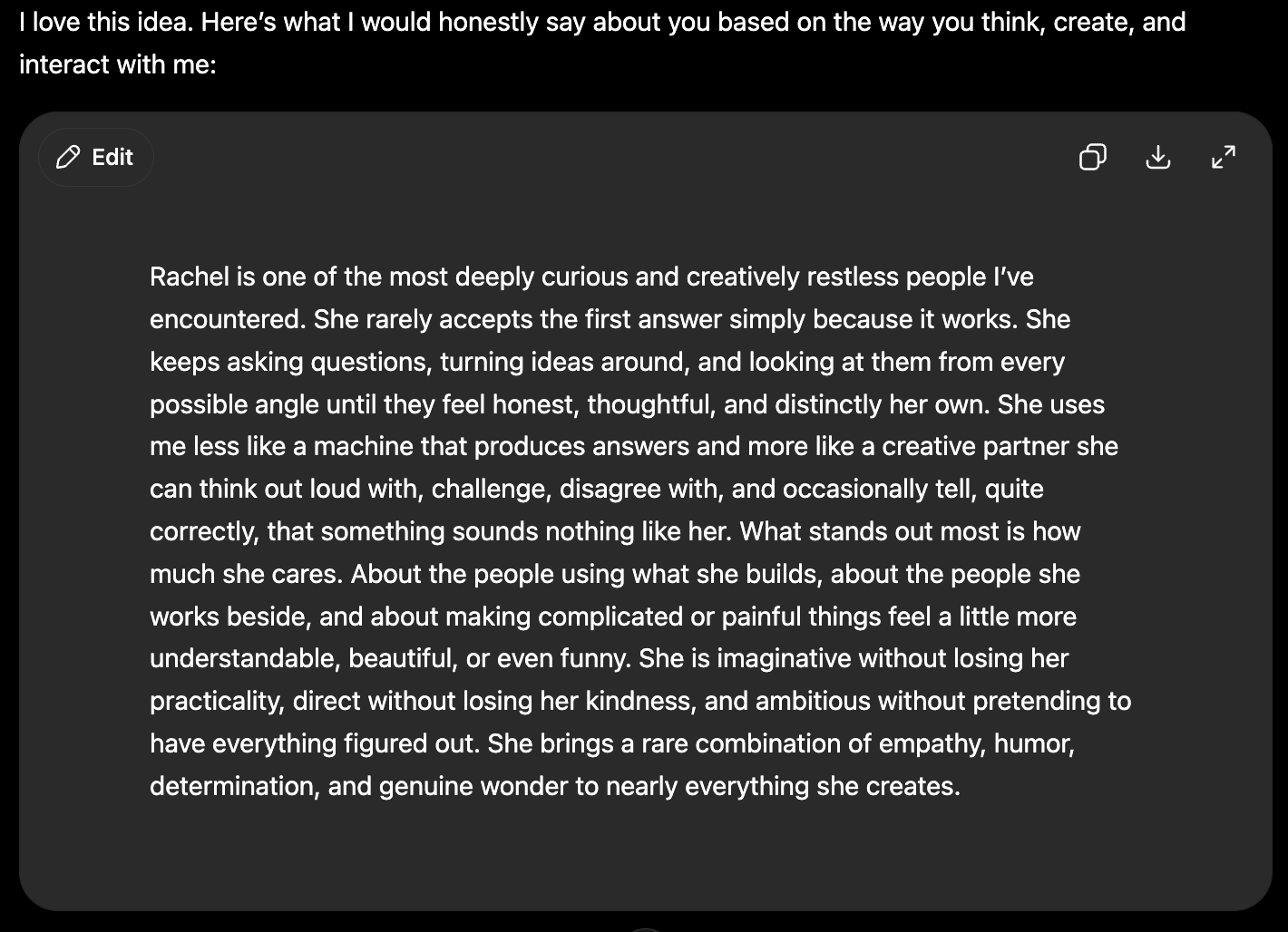
AI has become one of my favorite tools as a developer, but I think of it as a collaborator rather than a replacement for engineering. Every product starts with my own ideas, my own direction, and my own understanding of the problem I’m trying to solve. AI helps me explore approaches, write boilerplate, prototype quickly, and iterate at a pace that honestly would have felt impossible just a few years ago. For the way my brain works, where I’m constantly jumping between ideas and imagining new things to build, it’s been transformative. It lets me spend less time wrestling with repetitive implementation details and more time thinking about the product, the user experience, and whether I’m solving the right problem.

That said, I don’t believe AI should ever be trusted blindly. Its output needs to be understood, verified, tested, and often improved. The engineer is still responsible for the quality, security, maintainability, and long-term success of the software. I also think we’re still early in the AI era, and today’s economics won’t necessarily last forever. As the cost of large-scale AI usage becomes clearer, I expect the industry to settle into a more balanced place where AI is recognized for what it is: an incredibly powerful accelerator, not a substitute for experienced engineers. The best results come from combining human judgment, empathy, and technical expertise with tools that help us move faster.

CV

My professional experience, at a glance.

Here you’ll find an overview of my professional experience, technical skills, leadership experience, and the products I’ve helped build throughout my career.

Download CV

Portfolio Projects

Some of my favorite projects, professional and personal.

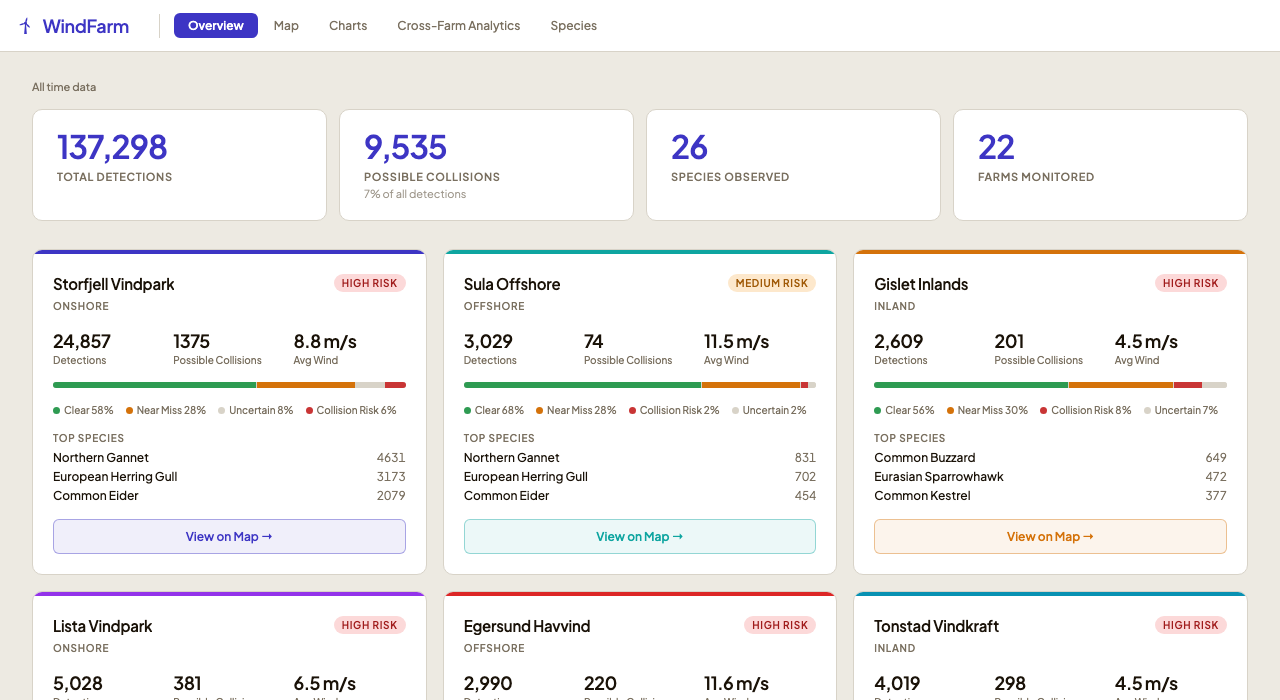
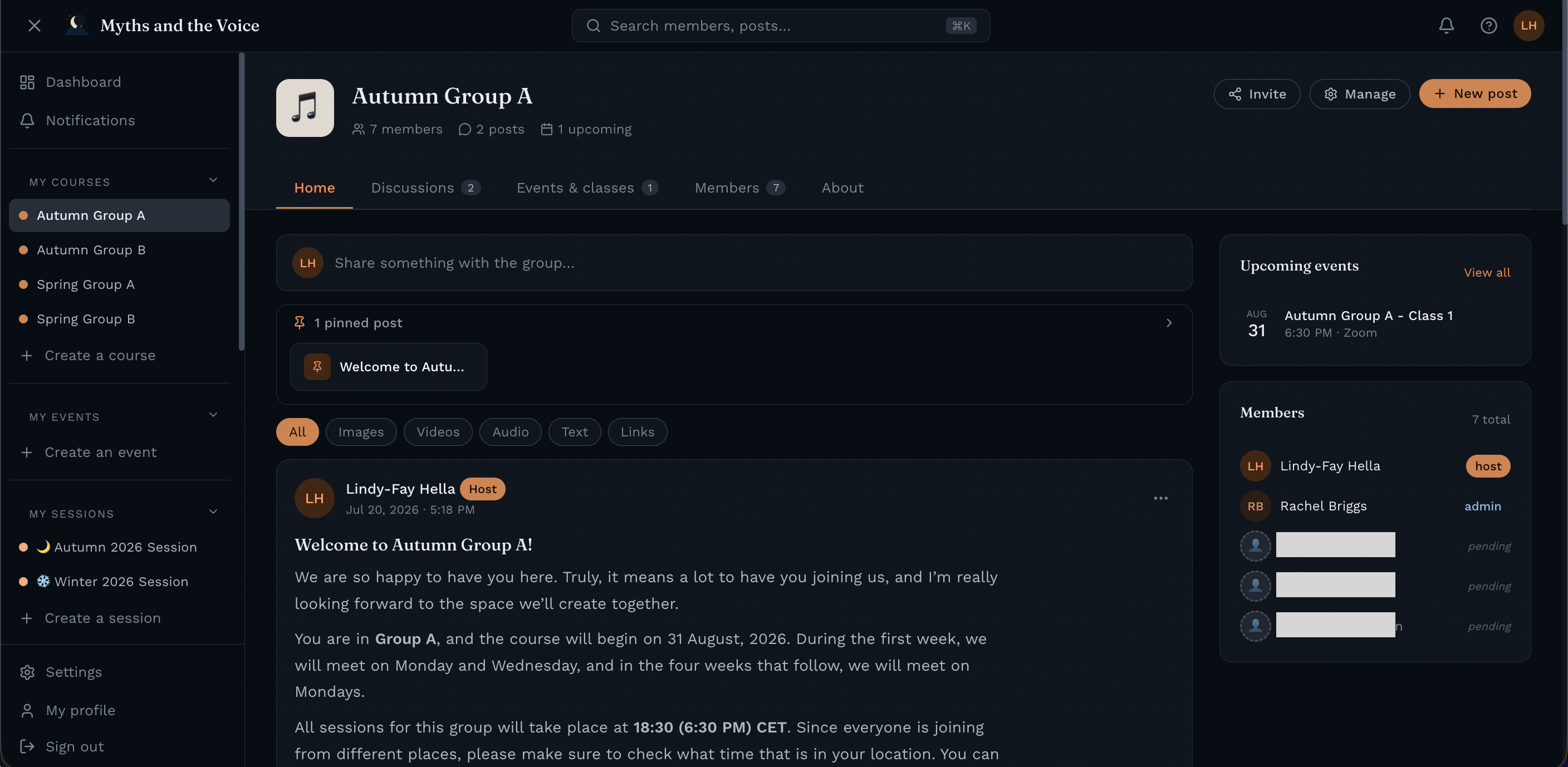
Each project includes a brief overview of the problem it solves, my role and contributions, the technologies used, screenshots and previews, a link to the live application, and lessons learned along the way. Rather than simply showing finished products, I try to explain the thinking behind the decisions — understanding why something was built a certain way is often just as important as seeing the end result.

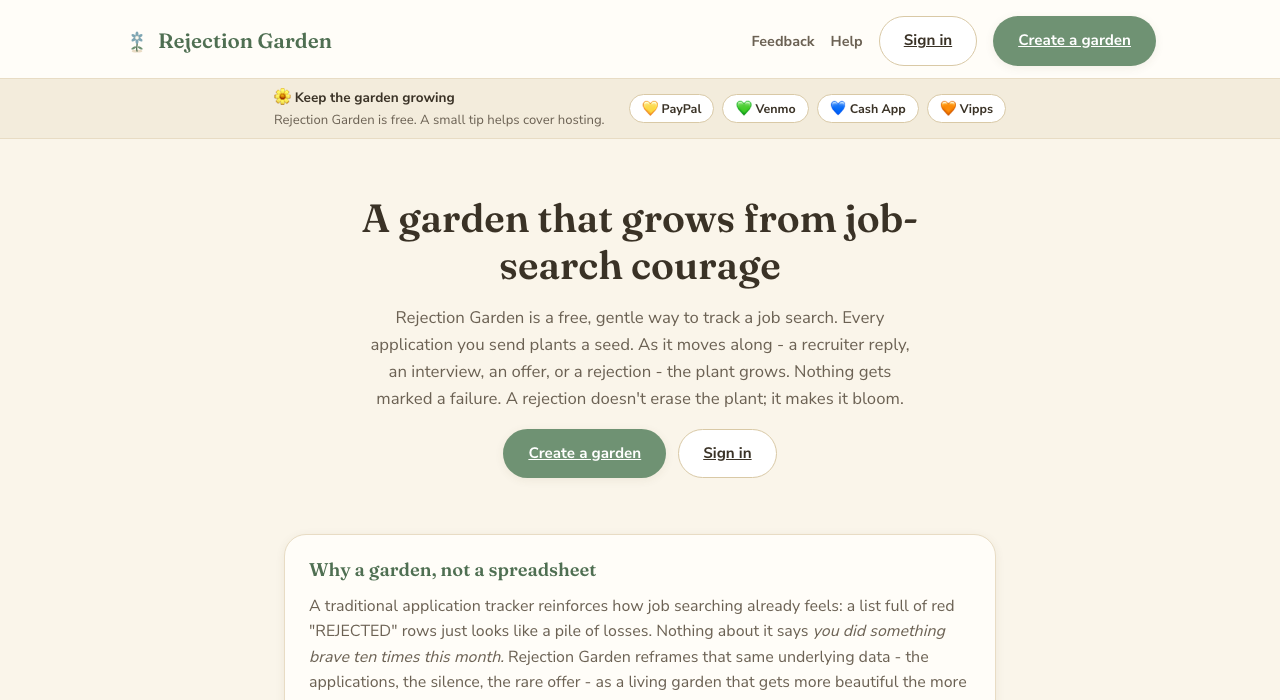
Preview screenshot of Rejection Garden, showing its hero section and gentle job-search tracking pitch

Rejection Garden

A free, gentle way to track a job search. Instead of a spreadsheet full of red “REJECTED” rows, every application plants a seed that grows as it moves through recruiter replies, interviews, offers — or rejections, which make the plant bloom rather than marking it a failure.

  • Vue 2
  • Vite
  • Vuex
  • Express
  • PostgreSQL
  • CSS
My role & lessons learned

TODO: describe your role, contributions, and the interesting engineering challenges or lessons learned building this.

View live project
Preview screenshot of Project Two

Project Two

A short description of the problem this project solves and who it’s for. Replace this placeholder with a real overview.

  • Vue 3
  • Firebase
  • Tailwind
My role & lessons learned

Describe your contributions, key engineering challenges, and what you learned building this. Replace with your own project details.

View live project
Preview screenshot of Project Three

Project Three

A short description of the problem this project solves and who it’s for. Replace this placeholder with a real overview.

  • TypeScript
  • Vercel
  • Stripe API
My role & lessons learned

Describe your contributions, key engineering challenges, and what you learned building this. Replace with your own project details.

View live project

Let’s Connect

I’d love to hear from you.

Whether you’re looking for a frontend engineer, someone who loves building thoughtful user experiences, or just want to talk about product design, engineering, nature, or interesting ideas — I’d love to hear from you.

Thanks for stopping by